
Butt Hinge
$17.60
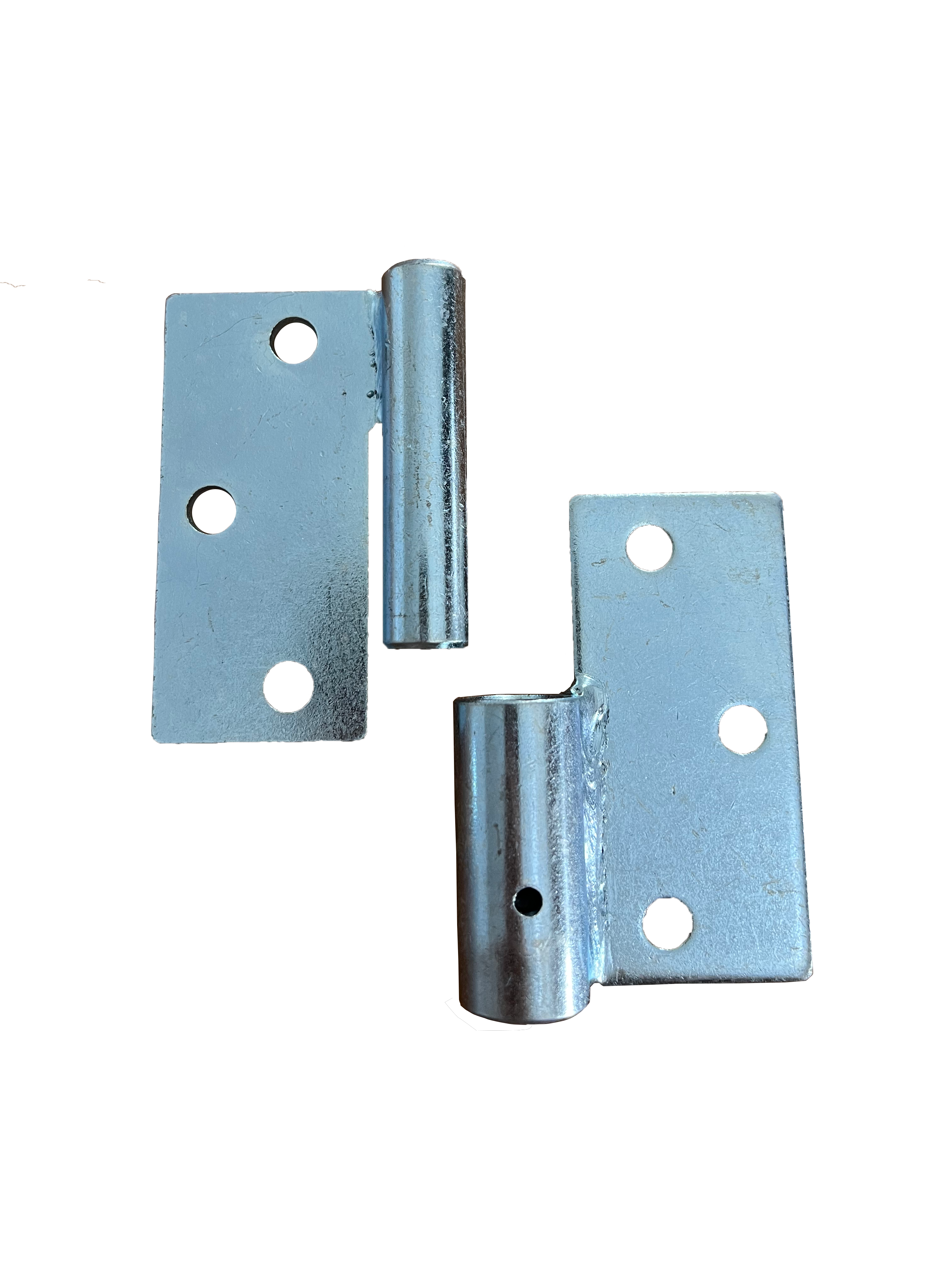
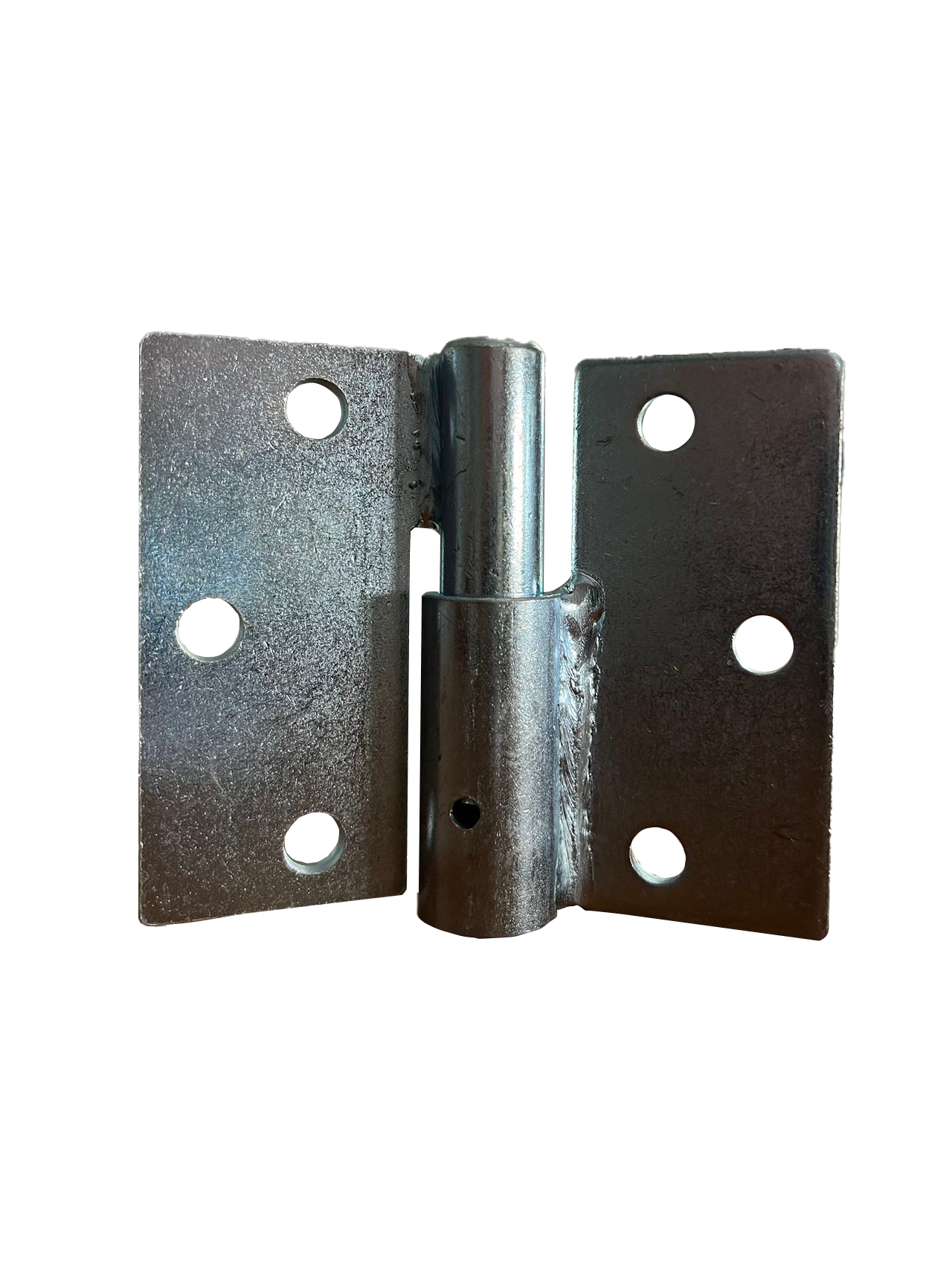
A Butt Hinge is a durable, two-piece hinge ideal for doors, cabinets, and gates. It features two metal plates connected by a central pin, allowing for smooth 180-degree movement. Commonly made from stainless steel or brass, it’s easy to install and offers long-lasting performance for both indoor and outdoor applications.
Features
- Design: Two rectangular metal plates connected by a central pin, allowing the hinge to pivot.
- Material: Typically made from stainless steel, brass, or zinc-plated steel, providing strength and durability.
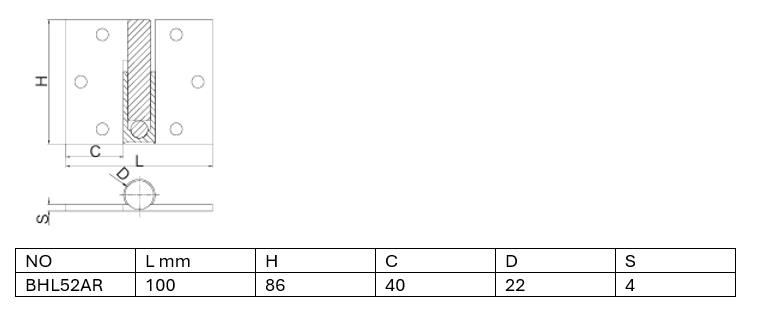
- Size Options: Available in various sizes to accommodate different door weights and applications.
- Finish: Often comes in finishes like polished chrome, brass, or black, suitable for different styles of doors or cabinetry.
- Movement: Provides smooth 180-degree movement, ideal for doors, cabinets, or gates.
- Installation: Easy to install with standard screws and pre-drilled holes on both plates.
- Usage: Commonly used for internal and external doors, cupboards, cabinets, and gates.
- Durability: Corrosion-resistant, making it suitable for both indoor and outdoor use.
- Strength: Designed to bear significant weight while ensuring consistent movement over time.
Warranty & Returns
Returns are accepted only for items that are faulty, non-defective items are not eligible for return.
Please contact us for more details [click here]
Installation
- Mark Hinge Position:
- Close the door and mark the hinge placement on the door edge. Typically, hinges are positioned 5 to 10 inches from the top and bottom edges of the door.
- Mark the corresponding positions on the door frame.
- Outline the Hinge:
- Hold the butt hinge in place on the door’s edge and trace around it using a pencil or marker.
- Repeat this process on the door frame.
- Chisel the Mortise:
- Use a utility knife to score the outline for precision.
- Using a chisel and hammer, carefully chisel out the traced area to create a recess (mortise) that is the depth of the hinge leaf. The hinge should sit flush with the door surface.
- Repeat this process on the door frame.
- Drill Pilot Holes:
- Place the hinge into the mortise and mark the screw holes.
- Use a drill to create small pilot holes for the screws. This helps prevent the wood from splitting and makes it easier to screw in the hinge.
- Attach the Hinge to the Door:
- Align the hinge in the mortise and secure it using screws. Tighten the screws with a screwdriver, making sure the hinge sits flush with the door surface.
- Attach the Hinge to the Door Frame:
- Position the door against the frame so that the hinge knuckles align with the frame’s mortise.
- Secure the hinge to the frame with screws, ensuring the door hangs correctly and moves smoothly.
- Test the Door:
- Open and close the door several times to check the movement. Make sure the door swings freely without rubbing or sticking.
- If needed, adjust the screws to correct any misalignment.
Download
Frequently asked Question (FAQ)
Connect your alfresco and living room with Jason Stacking Doors
Bi-Fold Doors
Budget: $$$ out of $$$
The Bi-Fold Door (sometimes called Concertina Door) is a series of glass panels that fold along a seam until they all stand at one end together, opening up the space completely and seamlessly connecting your indoor and outdoor living areas
Connect your alfresco and living room with Jason Stacking Doors
Bi-Fold Doors
Budget: $$$ out of $$$
The Bi-Fold Door (sometimes called Concertina Door) is a series of glass panels that fold along a seam until they all stand at one end together, opening up the space completely and seamlessly connecting your indoor and outdoor living areas
Connect your alfresco and living room with Jason Stacking Doors
Bi-Fold Doors
Budget: $$$ out of $$$
The Bi-Fold Door (sometimes called Concertina Door) is a series of glass panels that fold along a seam until they all stand at one end together, opening up the space completely and seamlessly connecting your indoor and outdoor living areas
Connect your alfresco and living room with Jason Stacking Doors
Bi-Fold Doors
Budget: $$$ out of $$$
The Bi-Fold Door (sometimes called Concertina Door) is a series of glass panels that fold along a seam until they all stand at one end together, opening up the space completely and seamlessly connecting your indoor and outdoor living areas